Tokyo Travel Guide for First-Time Visitors
As someone who has visited Tokyo six times and still discovers something new each trip, I learned everything about navigating this city through a combination of research, getting hopelessly lost, and accidentally ordering things I couldn’t identify. My first visit involved a twenty-minute struggle to exit Shinjuku Station (the world’s busiest, with over 200 exits), followed by wandering into an underground yakitori alley that remains one of my favorite travel discoveries. Tokyo rewards confusion. It just takes a while to understand that.
Neighborhood Navigation
Tokyo isn’t really one city. It’s dozens of distinct neighborhoods stitched together by the world’s most efficient subway system. Each neighborhood has its own personality, and trying to see them all in one trip guarantees exhaustion without satisfaction.
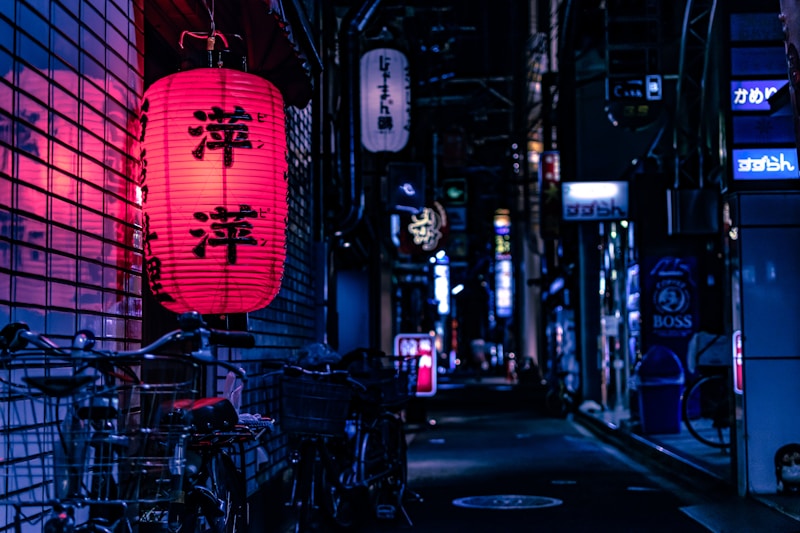
Shibuya buzzes with energy that feels almost aggressive. The famous scramble crossing (that intersection you’ve seen in every Tokyo photo) gets old after crossing it twice, but the surrounding streets reward exploration. Nonbei Yokocho, a tiny alley of cramped bars just off the main drag, offers an entirely different Shibuya than the one tourists photograph.
Shinjuku splits into distinct zones. West Shinjuku is corporate towers and government buildings. East Shinjuku holds entertainment, food, and the famous Golden Gai (six blocks of two-hundred-plus tiny bars, each holding maybe six customers). The red light district exists too, though it’s tamer than its reputation suggests.
Asakusa preserves old Tokyo. Senso-ji temple draws crowds for good reason, but the surrounding Nakamise shopping street and backstreets full of tempura shops and craft stores provide the real charm. That’s what makes Asakusa endearing to us repeat visitors: it feels like a different city than Shibuya, yet a twenty-minute subway ride connects them.
Harajuku delivers extremes. Takeshita Street overwhelms with teen fashion and crepe shops. Turn down any side street and the vibe shifts to vintage clothing, independent boutiques, and unexpectedly good coffee shops. Nearby Omotesando feels like a completely different neighborhood with its upscale shopping and architectural showpieces.
Essential Experiences
The fish market experience has gotten complicated with all the relocations. Tsukiji’s inner market moved to Toyosu, but the outer market remains and still delivers excellent sushi breakfast if you arrive early (by 7 AM on weekends). Standing at a counter eating the freshest fish you’ve ever tasted while surrounded by chefs and regulars? That’s the Tokyo food experience condensed.
Meiji Shrine offers contrast therapy. The massive torii gate marks entry into a forest that shouldn’t exist in a city this dense. The walk to the shrine takes maybe fifteen minutes through woods that feel genuinely wild. Wedding ceremonies happen on weekends. The quiet after experiencing Shibuya’s chaos realigns something in your brain.
Tea ceremony experiences range from tourist performances to proper rituals. The formal ones require reservations and run ninety minutes or more. Shorter introductory sessions in Asakusa or Kyoto-style tea houses around the city provide accessible entry points without the time commitment.
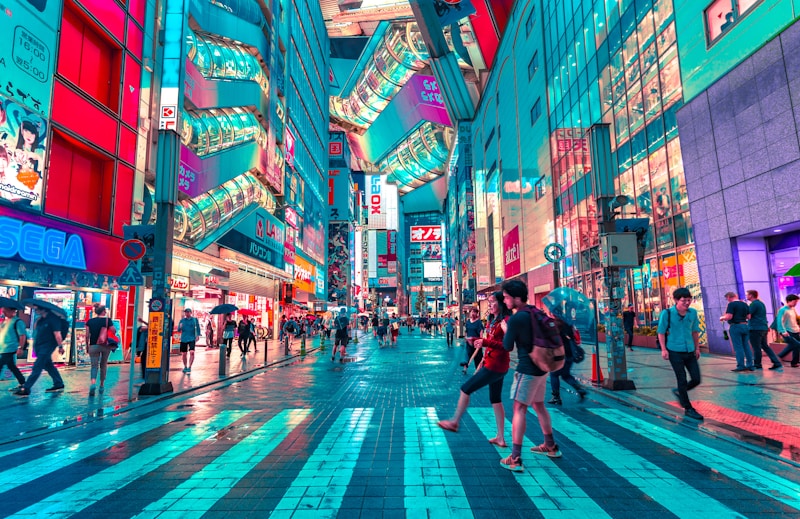
Akihabara caters to specific interests. Electronics (though less than it used to), anime merchandise, gaming arcades, and maid cafes cluster in neon-lit blocks. Non-enthusiasts can skip it. Enthusiasts will lose entire days there happily.
Practical Tips
Probably should have led with this: get cash before you need it. Despite Japan’s technological reputation, many restaurants, smaller shops, and especially the places you actually want to discover operate cash-only. ATMs in 7-Elevens reliably accept foreign cards when bank ATMs often don’t.
Buy a Suica or Pasmo transit card at the airport immediately upon arrival. These contactless cards work on all trains and subways across greater Tokyo, plus convenience stores, vending machines, and many restaurants. The convenience extends beyond transit to the point where you’ll use it dozens of times daily.
Google Maps works better in Tokyo than anywhere else I’ve traveled. Transit directions include platform numbers, car numbers for optimal station exits, and real-time delay information. Trust it more than paper maps or asking directions (language barriers make the latter complicated anyway).
English exists on major signage but disappears quickly in smaller establishments. Download offline translation apps before arriving. Point your camera at menus and signs for instant translation. The technology isn’t perfect but it’s good enough for most situations.
Accommodation Strategy
Location matters enormously in Tokyo due to the city’s size and the subway’s complexity after midnight (it stops running). Shinjuku and Shibuya provide central bases with multiple subway lines and nightlife options within walking distance. Staying near a major station means arriving back after midnight remains manageable.
Business hotels offer remarkable value. Compact rooms (very compact by American standards, perfectly functional by Tokyo standards) with efficient design, reliable amenities, and prices that seem too low for the location. Brands like Tokyu Stay, Dormy Inn, and APA Hotel consistently deliver quality at reasonable rates.
Traditional ryokan inns exist in Tokyo but work better in Kyoto or hot spring towns where the experience matches the surroundings. If you want the tatami mat and futon experience, Kyoto rewards that choice more than Tokyo does.
Capsule hotels provide unique experiences for the adventurous. Modern versions like Nine Hours and The Millennials bear no resemblance to the cramped pods of reputation. They’re clean, quiet (often), and surprisingly comfortable for what they are. Worth one night for the experience if not every night for the trip.
Pacing Yourself
Tokyo exhaustion is real. The sensory intensity, the walking (so much walking), the constant navigation and decision-making drain energy faster than normal travel. Plan two to three neighborhoods per day maximum, with built-in downtime.
Konbini (convenience stores) become lifelines. 7-Eleven, Family Mart, and Lawson stock genuinely good food, decent coffee, and everything from phone chargers to toiletries. They’re air-conditioned retreats when the heat overwhelms. They’re meal solutions when restaurant queues discourage. Accept their role in your Tokyo experience rather than treating them as last resorts.
The city reveals itself over multiple visits. First-timers should hit the highlights without guilt. The hidden gems emerge on repeat trips when you’ve satisfied the must-see list and can wander without agenda. Tokyo rewards return visitors more than almost any city I know.




Leave a Reply