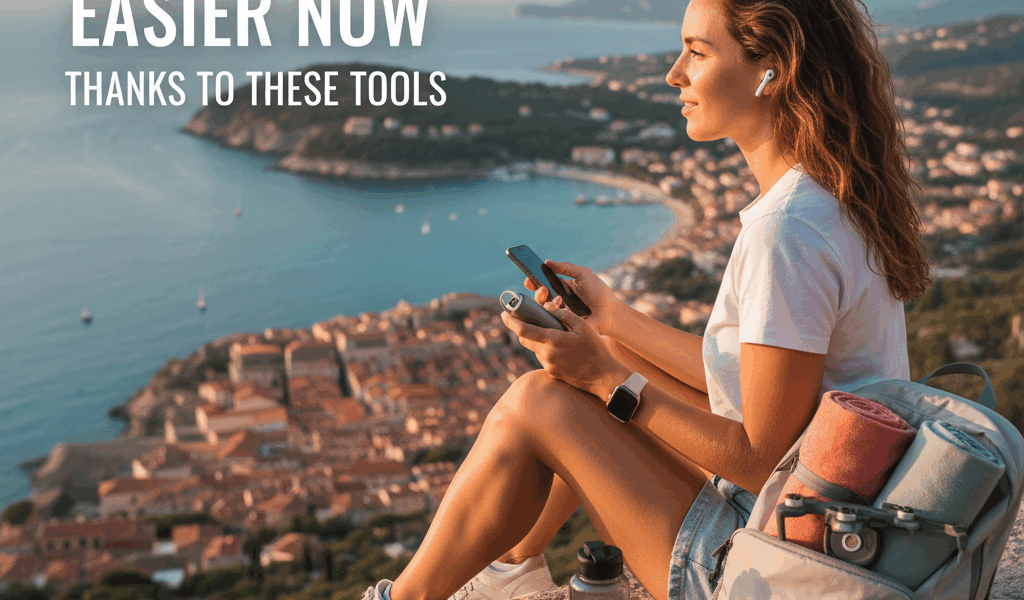
Solo Travel: Freedom, Safety, and Finding Your Rhythm
As someone who took their first solo trip out of necessity (friends bailed, nonrefundable flights) and came back converted, I learned everything about traveling alone through that accidental introduction. Traveling alone used to feel risky or sad to many people, including me before that first trip. Now I deliberately plan solo adventures because the experience differs fundamentally from group travel in ways I’ve come to value.
Safety Through Information
Solo travelers benefit most from good information. When you can’t rely on a companion to watch your back, knowing which neighborhoods to avoid, which transportation options are reliable, and which scams target tourists matters more. AI-powered safety apps aggregate this data, providing context that would otherwise require either expensive guides or risky trial and error.
Location sharing apps create a safety net without constant check-ins. Share your location with a few trusted contacts back home. If something goes wrong, someone knows where you were. The information transmits automatically, so you’re not sending anxious updates every few hours but the safety net exists.
Yeah, this is where it gets real. : solo travel is statistically quite safe in most destinations. The perception of danger exceeds actual risk for travelers who exercise basic awareness. But preparation matters more when you’re alone, and technology now makes that preparation easier than ever.
Meeting People When You Want To
The paradox of solo travel is wanting both independence and connection. Some days you want to explore alone, setting your own pace without coordinating with anyone. Other days, sharing dinner conversation sounds better than another meal with just your phone for company.
Apps now facilitate exactly this balance. Find people to eat with tonight through Eatwith or similar platforms. Join a walking tour with other travelers. Attend a cooking class where the social element is built in. The commitment is temporary and specific, so you’re not locked into multi-day group dynamics.
That’s what makes meeting other solo travelers endearing: everyone understands the rhythm. Connect for an activity, enjoy the company, part ways without obligation. The freedom remains intact while loneliness becomes optional rather than constant.
Itinerary Flexibility
Solo travelers can change plans instantly without negotiation or compromise. Feel like leaving the museum after an hour instead of the planned three? Done. Want to extend dinner because the conversation is great? Nobody waiting back at the hotel. Discover an interesting neighborhood and spend the afternoon wandering rather than hitting the next attraction? Your call entirely.
This flexibility is harder with companions who have different interests or energy levels. The person who wants to see every painting clashes with the person who’s exhausted after ninety minutes. Solo travel eliminates this friction. Follow your curiosity wherever it leads without explaining or apologizing.
AI tools that provide real-time alternatives make spontaneity practical. The museum is closed? Here are three other options within walking distance, ranked by your stated preferences. The restaurant has a two-hour wait? Five alternatives with availability right now, sorted by similarity to what you wanted. Adapting to circumstances becomes easy rather than frustrating.
Practical Considerations
Single supplements on tours and cruises remain an annoying reality. Some operators charge solo travelers extra to compensate for an empty second bed. This practice is declining as solo travel grows, but research before booking. Many operators now offer no-single-supplement options, and hostels and small hotels rarely charge premiums.
Restaurant dining alone is culturally easier in some places than others. Tokyo normalizes solo eating with ramen counters and single-seat establishments. Spain’s social dining culture makes solo meals feel more awkward. Eating at bars or counters creates context that table-for-one lacks. Apps identifying solo-friendly restaurants exist for major cities.
Accommodation decisions shift too. The social aspect of hostels appeals to some solo travelers who want built-in opportunities to meet people. Others prefer hotels or rentals for privacy after days of being “on” in public. Neither approach is wrong; know which you need.
The Mental Shift
First-time solo travelers often feel self-conscious. Is everyone looking at me eating alone? Do I seem weird sitting in this cafe reading? This anxiety fades quickly once you realize nobody cares. Everyone in that restaurant is absorbed in their own lives, their own conversations, their own phones. You’re not the center of attention. You’re just another person existing in the space.
The freedom to set your own pace, follow your interests, and spend as much or little as you choose on each activity becomes addictive. Many solo travelers struggle to go back to group trips because the compromise and coordination feel constraining after experiencing complete autonomy.
Solo travel isn’t better or worse than traveling with others; it’s different. Some trips demand the solo approach: intensive exploration, personal reflection, schedule demands that don’t accommodate companions. Others work better shared. Having both options available, with confidence to execute either, expands your travel possibilities considerably.

Leave a Reply