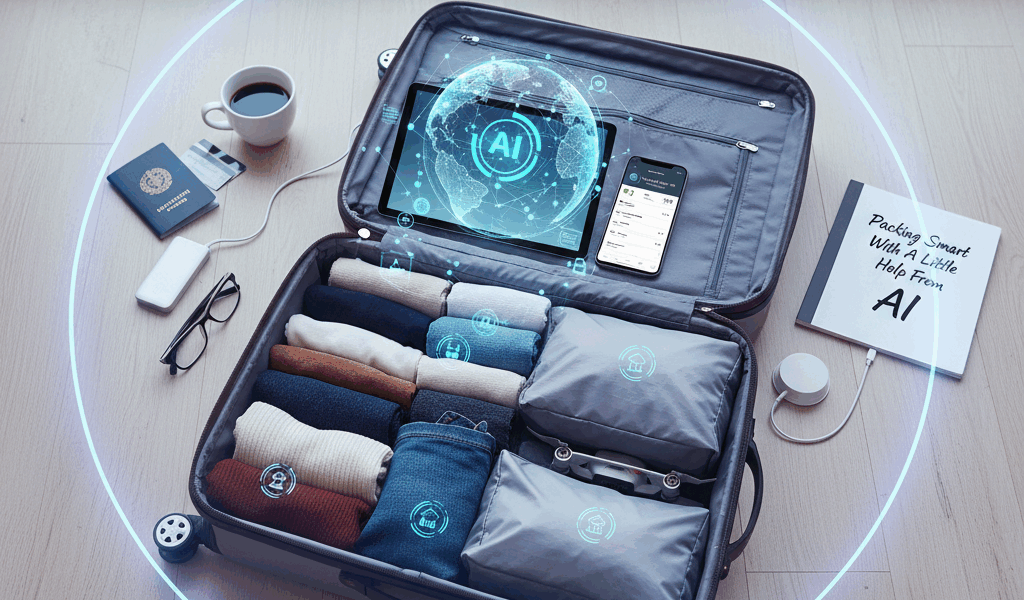
Smart Packing Tools: What Works and What Doesn’t
As someone who has both overpacked dramatically (three suitcases for a two-week trip in my early traveling days) and underpacked disastrously (no rain jacket in Ireland, how did I not see that coming), I learned everything about packing through decades of getting it wrong. AI packing assistants promise to solve the eternal struggle of bringing what you need without bringing everything you might theoretically need. They partially deliver.
What Smart Packing Tools Do
Input your destination, dates, and planned activities. The tool generates a customized packing list considering weather forecasts, cultural norms, and specific plans. Business trip to Singapore gets suggestions for light, breathable fabrics plus a jacket for aggressive air conditioning (those office buildings are refrigerated). Beach week in Thailand gets swimwear, sunscreen reminders, and modest cover-ups for temple visits.
Some apps integrate with your calendar, pulling in restaurant reservations to suggest appropriate attire or activity bookings to add required gear. The hiking tour you booked triggers trail shoes and layers. The fine dining reservation flags dress code considerations. Smart packing doesn’t make sense the way it used to with all the integrations, but the contextual awareness genuinely helps.
The Good Parts
Weather integration is where these tools earn their keep. Yeah, this is where it gets real. : manually checking forecasts for specific dates at each destination you’ll visit takes time. The tool does it automatically and adjusts suggestions accordingly. The reminder to pack a rain jacket because Tuesday shows thunderstorms prevents the unpleasant surprise of buying an overpriced tourist poncho.
Checklist functionality prevents the airport panic of “did I pack my charger?” Work through the list systematically, checking items as they go in the bag, and forgotten items drop to near zero. The dopamine hit of checking boxes somehow makes packing less miserable than it used to be.
Trip-specific suggestions catch things you’d forget. Visiting a country where outlets differ from home? The tool reminds you about adapters. Planning temple visits? It suggests appropriate modest clothing. These contextual nudges prevent the frustrating moments of realizing what you needed after you’re already there.
The Limitations
Generic suggestions miss personal needs entirely. The app doesn’t know you require specific medications, that you always run cold (pack extra layers even when the forecast says warm), or that you won’t sleep without your particular pillow. Personal awareness still matters; the tool supplements rather than replaces knowing yourself.
Outfit suggestions tend toward boring and safe. The algorithm optimizes for versatility and appropriateness, which produces sensible but uninspired recommendations. If you have a specific aesthetic that matters to you, the recommendations might clash with your style. Use them as starting points, not prescriptions.
That’s what makes these tools useful but not complete: they handle logistics and context while you supply personal knowledge and style preferences. Expecting the app to know everything about you invites disappointment.
Packing Cube Reality
Regardless of what packing tools you use, packing cubes transform luggage organization. Separating clothes into categorized bags (tops in one, bottoms in another, undergarments in a third) makes both packing and unpacking faster. Living out of a suitcase for weeks becomes manageable when you can pull out one cube instead of rifling through jumbled contents.
Compression cubes squeeze air out and create space, though they don’t actually reduce weight despite what some marketing claims. The organization benefit matters more than the compression anyway. Knowing exactly where your workout clothes are versus your dinner outfits saves time and frustration daily.
The Capsule Wardrobe Approach
AI tools or not, the core principle holds: pack pieces that combine in multiple ways. Three tops, two bottoms, and layers that mix together create more outfit combinations than bringing unique looks for each day. The math favors versatility over variety.
Neutral colors anchor the system. A black or navy base pieces with a few colorful items that all coordinate together lets you create different looks without carrying your entire closet. This isn’t about fashion minimalism; it’s about maximizing options within luggage constraints.
Laundry access changes the calculation entirely. A week-long trip with in-hotel laundry means you can pack for three days and wash midweek. Without laundry access, you need more clothes. Factor this into planning rather than discovering the limitation mid-trip when you’re out of clean socks.
Smart packing tools help with the logistics while you handle the personal stuff. The combination produces better results than either alone, which is pretty much how all these AI travel tools work when you think about it.



Leave a Reply