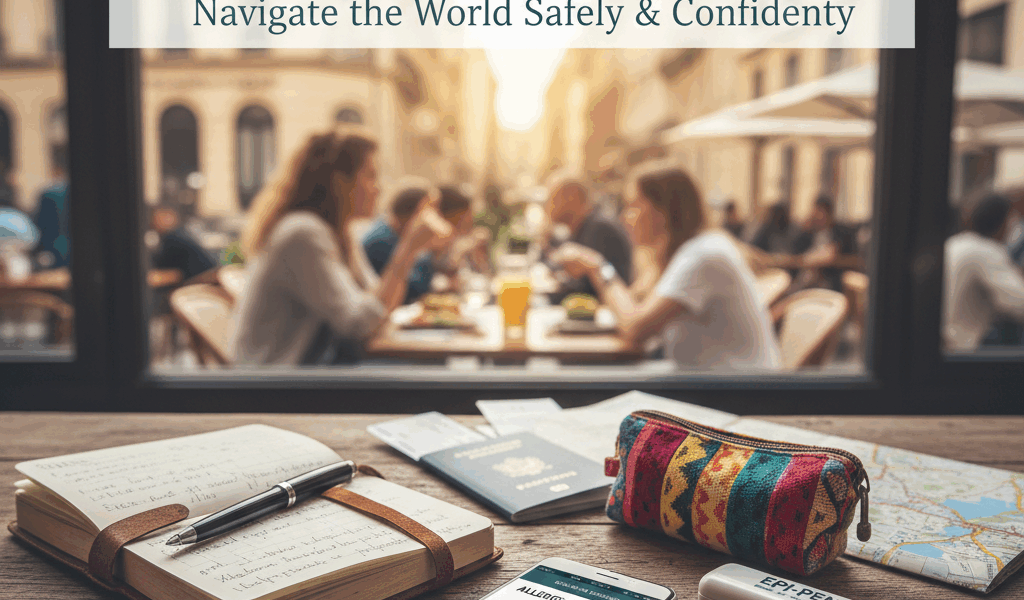
Traveling with Food Allergies: Technology and Strategy
As someone who travels frequently with a partner who has serious food allergies, I learned everything about managing dietary restrictions abroad through trial, error, and a few genuinely scary moments. That time in Vietnam when “no peanuts” didn’t translate to the cooking oil they used. The close call in Italy when “senza glutine” didn’t account for shared pasta water. Food allergies and dietary restrictions complicate travel in ways that healthy travelers never consider, but technology and preparation make it manageable.
Translation Cards That Work
Allergy translation cards have existed forever, but the good apps now generate comprehensive cards that go beyond simple ingredient lists. They explain cross-contamination concerns, request staff confirmation of understanding, and provide emergency phrases in case something goes wrong.
The card itself matters less than how you present it. Making eye contact, pointing specifically to the text, and watching for genuine acknowledgment versus dismissive nodding makes the difference between safety and risk. Yeah, this is where it gets real. : busy restaurants during rush hour are the wrong time to rely on written communication. Staff are too hurried to read carefully.
Cultural context shapes effectiveness. Japanese service culture treats written requests seriously. Some Mediterranean cultures operate more casually, where a card might get glanced at and forgotten. Understanding your destination’s communication norms helps you calibrate expectations.
Restaurant Research Before You Go
Finding restaurants that handle allergies well before you’re hungry and wandering beats discovering limitations after you’re seated. Restaurant research is genuinely confusing these days with all the review sites and conflicting information, but filtering specifically for dietary accommodation reveals options you’d never find otherwise.
Specialty databases outperform general search for specific needs. FindMeGlutenFree covers celiac-safe restaurants globally. HappyCow maps vegan and vegetarian options. AllergyEats aggregates allergy-friendly establishments. These niche resources surface restaurants that standard Google searches bury beneath generic results.
Read recent reviews specifically from people with your restriction. A restaurant’s general rating tells you nothing about allergen handling. The detailed review mentioning “kitchen confirmed no cross-contact” or “staff seemed confused about my request” provides actually useful information.
Grocery Shopping Abroad
Camera translation transformed grocery shopping for travelers with restrictions. Point your phone at an ingredient list and see it converted to your language in real-time. The technology handles standard fonts and good lighting remarkably well, struggling only with stylized packaging or low-contrast text.
Learn to recognize allergen warnings in your destination’s language regardless of translation apps. European packaging uses standardized symbols for common allergens (wheat sheaves for gluten, peanut icons for nuts). Other regions vary. Knowing what to look for speeds shopping and catches things that translation might miss.
That’s what makes having a kitchen endearing to us restricted eaters: controlling ingredients completely eliminates guesswork. Breakfast and lunch from groceries you’ve vetted, restaurant dining for dinner when you can take time to communicate carefully. The balance provides both safety and culinary experience.
When Technology Isn’t Enough
For severe allergies where reactions can be life-threatening, destination selection becomes a safety decision. Some food cultures align naturally with restrictions. Japanese cuisine uses wheat-based soy sauce extensively but handles many other allergens carefully. Indian food offers extensive vegetarian infrastructure and typically avoids pork. Thai cooking adapts well for many nut allergies since peanuts appear in specific dishes rather than permeating the cuisine.
Medical infrastructure matters too. An allergic reaction in a major European city with nearby hospitals carries different risk than one in a remote area with limited medical access. Traveling with epinephrine auto-injectors isn’t optional for severe allergies, and understanding how to access emergency care at your destination should be part of trip planning.
Communication Beyond Words
Technology assists but doesn’t replace direct human communication. Learning a few food-related phrases in the local language (the actual allergen words, “is this safe,” “I could die”) signals seriousness in ways that showing an app doesn’t. Restaurant staff who see you’ve made the effort to learn respond differently than those handed yet another tourist’s phone screen.
Choosing restaurants thoughtfully helps more than hoping any restaurant can accommodate. The places with allergy experience handle requests competently. The places without experience wing it, which isn’t acceptable when health is at stake. Higher-end restaurants, establishments explicitly marketing to tourists, and chains with corporate allergen protocols often provide more reliable safety than charming local spots without systematic approaches.
Travel with allergies requires more planning but doesn’t require staying home. Technology has improved dramatically. Preparation matters. And sometimes the safest meal is the one you make yourself from carefully selected groceries, saving restaurant adventures for when conditions are right.




Leave a Reply