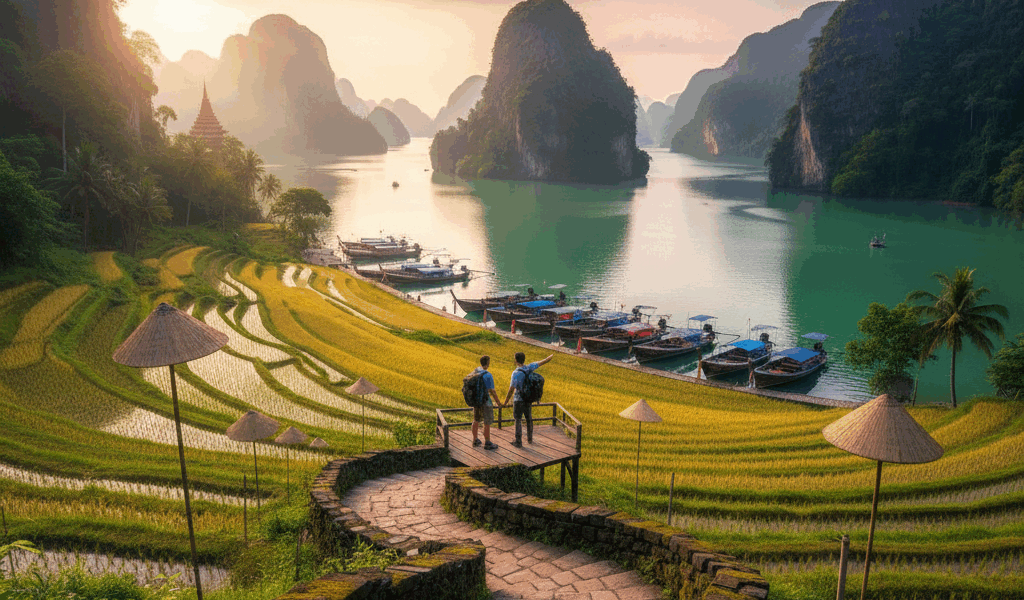
Southeast Asia Destination Guide for Modern Travelers
As someone who has spent the better part of a decade hopping between Bangkok street stalls and Bali rice terraces, I learned everything about Southeast Asian travel the hard way. My first trip to the region involved a missed connection in Singapore, a bout of food poisoning in Vietnam, and accidentally offending a monk in Thailand by pointing my feet at a Buddha statue. But here’s the thing about Southeast Asia: even the disasters make for great stories, and the region keeps pulling you back.
Thailand – The Complete Package
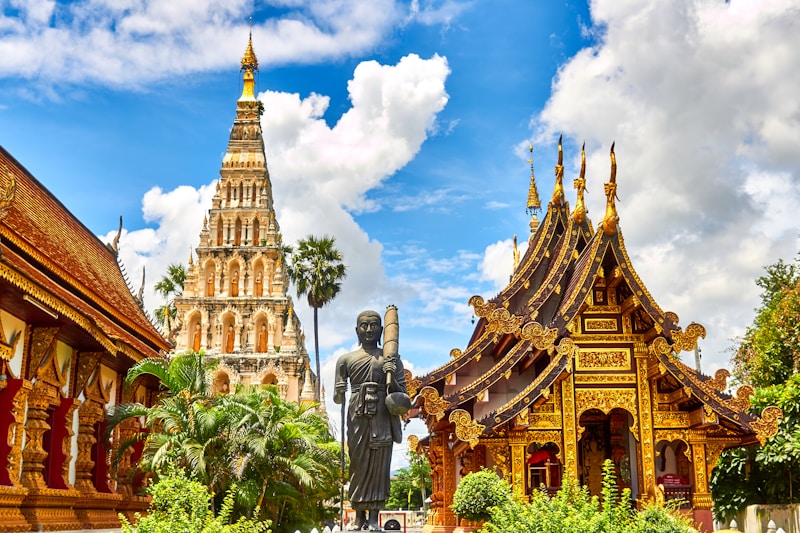
Thailand earns its spot as Southeast Asia’s gateway for good reason, though calling it “touristy” misses the point entirely. Yes, Khao San Road has gotten complicated with all the backpacker bars and tuk-tuk touts. But twenty minutes away in Thonburi, you’ll find neighborhoods where tourists are still a novelty and the pad thai costs forty baht instead of a hundred and forty.
Bangkok’s temple circuit (Wat Pho, Wat Arun, the Grand Palace) delivers on the postcards, but the city reveals itself in stranger corners. The weekend market at Chatuchak sprawls across fifteen thousand stalls. Chinatown’s Yaowarat Road transforms after dark into one of the world’s great street food corridors. The rooftop bars offer skyline views that make you question why anyone lives anywhere else.
Northern Thailand around Chiang Mai moves at a different pace. The old city’s moat-enclosed square hosts more yoga studios than 7-Elevens, which is saying something for Thailand. Day trips reach elephant sanctuaries (the ethical ones where riding isn’t allowed), hill tribe villages, and the white temple of Chiang Rai that looks like someone built a wedding cake from a fever dream.
The southern islands split into distinct personalities. Phuket handles the package tourists and Russian expats. Koh Samui attracts families and wellness seekers. Koh Phangan hosts the Full Moon Party crowd but also harbors quiet beaches on its northern coast. Koh Lipe, way down near Malaysia, feels like Phi Phi did thirty years ago. That’s what makes island-hopping here so endearing to us travel addicts: there’s always another beach that hasn’t been “discovered” yet.
Vietnam – History Meets Natural Beauty
Vietnam hit me differently than any other country in the region. Maybe it’s the weight of history that hangs over every interaction, or maybe it’s just that the coffee is that good. Vietnamese iced coffee (ca phe sua da) ruined me for Starbucks forever, and I’m not even mad about it.
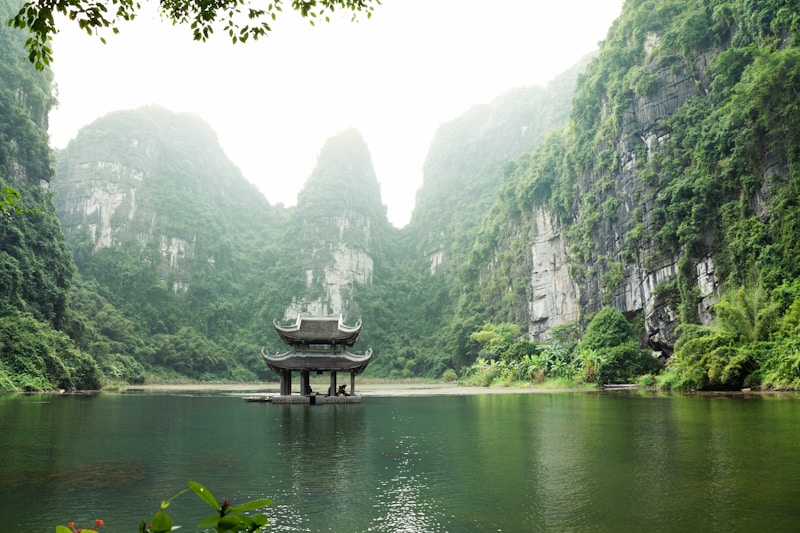
Halong Bay lives up to the hype if you do it right. The day-tripper boats from Hanoi pack in hundreds of tourists for rushed photo ops. Spring for an overnight cruise, wake up to limestone karsts emerging from morning mist, and suddenly you understand what all the fuss is about. The less-visited Lan Ha Bay and Bai Tu Long areas offer the same scenery with a fraction of the boat traffic.
The food alone justifies a Vietnam trip. Pho in Hanoi tastes nothing like pho in Saigon, and both make the stuff at your local Vietnamese restaurant taste like dishwater. Banh mi sandwiches from street carts cost less than a dollar and contain more flavor than meals I’ve paid fifty dollars for elsewhere. The regional specialties (cao lau in Hoi An, bun bo Hue in Hue, broken rice in Saigon) reward travelers who venture beyond the familiar dishes.
Probably should have led with this: Vietnam requires more patience than Thailand. Scams exist, particularly in tourist areas of Hanoi and Ho Chi Minh City. Taxi drivers use rigged meters. Tour operators sell trips that don’t match their descriptions. But travelers who approach Vietnam with appropriate skepticism and a sense of humor find experiences far more authentic than the polished tourism bubbles of Thailand or Bali.
Indonesia – Archipelago Adventures
Indonesia spans more real estate than I initially understood. Flying from the western tip of Sumatra to Papua in the east takes longer than flying from London to New York. Most visitors focus on Bali, which makes sense but also means they miss roughly 16,999 other islands.
Bali deserves its reputation despite what travel snobs say about it being “over.” Ubud’s rice terraces and temple ceremonies deliver genuine cultural experiences between the yoga retreats and smoothie bowls. Seminyak and Canggu cater to digital nomads and surfers with reliable wifi and consistent waves. The east coast around Amed offers quiet diving and snorkeling without Gili Island crowds. The Nusa islands (Penida, Lembongan, Ceningan) provide day-trip drama with cliffs and manta rays.
Beyond Bali gets interesting fast. Komodo National Park means dragons, yes, but also some of the best diving in Indonesia. The Gili Islands off Lombok deliver car-free beaches and party vibes or peaceful escapes depending on which island you pick. Java holds Borobudur (the Buddhist answer to Angkor Wat) and Mount Bromo’s volcanic moonscape. Sumatra offers orangutan trekking in Bukit Lawang and the massive volcanic Lake Toba.
Cultural awareness matters more in Indonesia’s Muslim-majority areas. Bali’s Hindu culture operates differently than the rest of the country. Covering shoulders and knees shows respect when visiting mosques or religious sites elsewhere in the archipelago. Ramadan travel requires adjusting expectations about restaurant availability and alcohol service.
Cambodia and Laos – Off the Beaten Path
Angkor Wat changed how I think about human achievement. Standing in front of that temple at sunrise, watching the reflection appear in the lotus pond, something shifts in your understanding of what civilization can accomplish. The complex sprawls across more than 400 square kilometers with hundreds of temples in various states of preservation and jungle reclamation.
Cambodia beyond Angkor rewards those with extra time. Kampot and Kep on the southern coast offer French colonial architecture, pepper plantations, and seafood markets where crabs cost next to nothing. Koh Rong’s beaches rival anything in Thailand without the development. Phnom Penh confronts visitors with Khmer Rouge history at the Killing Fields and Tuol Sleng prison, heavy but necessary experiences that contextualize modern Cambodia.
Laos moves slower than anywhere else in the region, which either frustrates or enchants depending on your disposition. Luang Prabang might be my favorite small city in Asia: UNESCO-protected French colonial buildings, active Buddhist monasteries, the Mekong flowing past riverside restaurants, and a pace of life that makes you question the point of rushing anywhere.
The morning alms-giving ceremony requires mention. Monks in saffron robes walk through Luang Prabang at dawn collecting offerings from kneeling residents. Tourists can participate or observe, but doing so respectfully means understanding this isn’t a photo opportunity but a living religious practice. Vang Vieng has cleaned up its act since the tubing-party deaths of the 2010s, now positioning itself as an adventure sports destination with kayaking, caving, and climbing.
Practical Planning Tips
Timing your Southeast Asia trip matters more than you’d think. The region doesn’t have one monsoon season but several overlapping ones that vary by location. Generally, November through February offers the best weather across most of Thailand, Vietnam, and Cambodia. Bali works year-round but peaks in the dry season from April to October. Shoulder months can deliver fewer crowds with acceptable weather if you’re flexible about occasional afternoon rain.
Budget airlines have transformed regional travel. AirAsia, VietJet, and Lion Air connect cities for often under fifty dollars if you book ahead and skip checked luggage. The overnight train from Bangkok to Chiang Mai remains a classic experience. Buses reach everywhere but require patience and strong stomachs for mountain roads.
Health stuff that I learned the hard way: see a travel medicine doctor before your trip. Vaccinations for hepatitis, typhoid, and sometimes Japanese encephalitis make sense depending on your itinerary. Antimalarials matter for rural areas in Cambodia, Laos, and parts of Indonesia. Travel insurance covering medical evacuation is non-negotiable given the variable healthcare quality outside major cities. The stomach issues will happen regardless of precautions, so pack Imodium and oral rehydration salts.
Southeast Asia keeps revealing new layers no matter how many times you return. Each trip teaches something the last one missed, and that’s precisely why so many travelers keep coming back to this part of the world.



Leave a Reply